
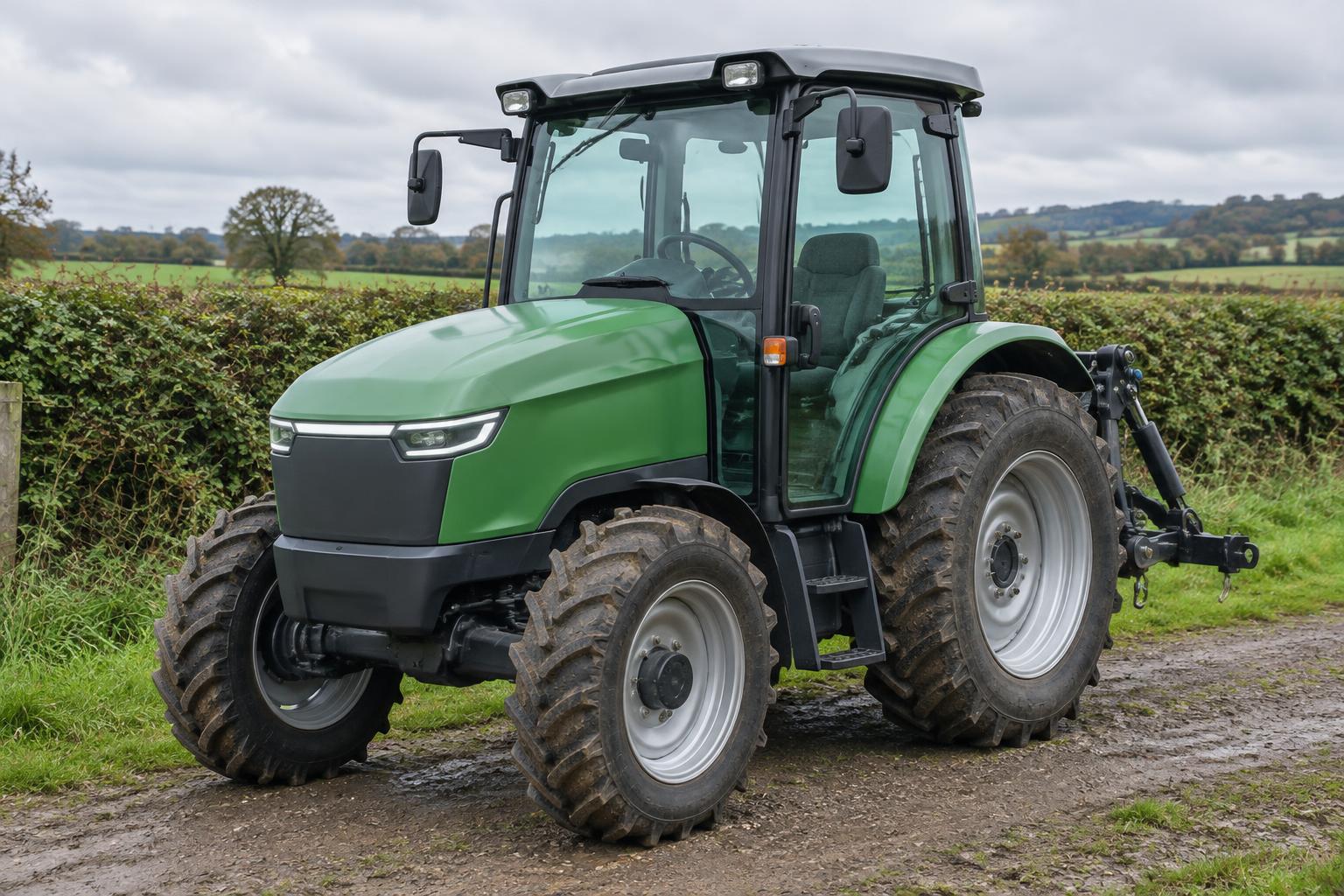
 How They Work
Electric Tractors UK: A Practical Guide
Electric tractors are moving from prototypes into real agricultural and land-management use. This UK guide explains the technology without the hype.
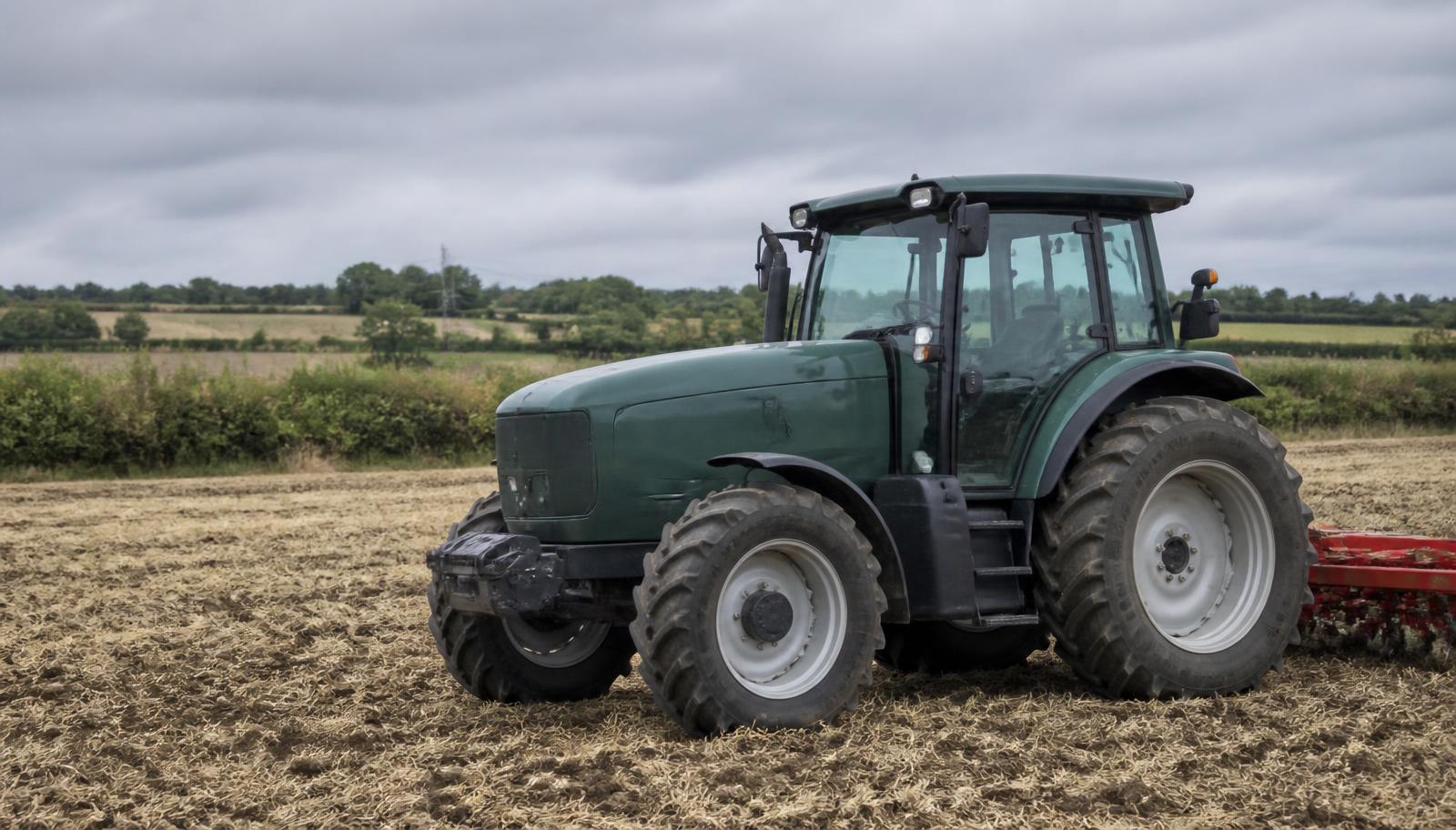
UK farm machinery · Electrification
Electric Tractors UK
Independent UK information on electric tractors and farm machinery electrification. Practical answers on costs, batteries, charging and the jobs battery-electric machines can genuinely do on a working British farm.
An electric tractor is a tractor driven by battery-stored electricity rather than diesel. A battery pack feeds one or more electric motors, which turn the wheels and drive the power take-off and hydraulics. There is no engine, no gearbox in the conventional sense, no fuel tank and no exhaust. Torque arrives the moment you ask for it, which is why these machines feel unusually responsive on loader work and in tight yards.
In the UK the machines actually on sale today sit at the compact and utility end of the market, broadly 20 to 75 horsepower equivalent. That makes them a realistic fit for smallholdings, equestrian yards, orchards and vineyards, estates and groundcare, livestock yards and council or contractor work close to a depot. Field-scale arable tractors running all day in heavy draft work are not there yet, and we will say so plainly rather than pretend otherwise.
Running time is the question everyone asks first. A realistic expectation is roughly three to six hours of mixed yard and light field work on a charge, falling sharply under sustained heavy draft and in cold weather. Charging overnight from a standard farm supply is normal; faster charging usually means a three-phase connection. Running costs are typically well below diesel per hour, servicing is lighter because there is far less to wear out, and the trade-off is a higher purchase price and a battery that will eventually need replacing.
This site exists to answer those questions properly, with UK prices, UK electricity tariffs and UK conditions, and with the assumptions written down so you can substitute your own numbers. We do not sell machines and we do not take manufacturer copy at face value.
The essentials most readers want first, in plain English.
How They WorkElectric tractors are moving from prototypes into real agricultural and land-management use. This UK guide explains the technology without the hype.
An electric tractor uses electrical energy for propulsion instead of relying solely on a diesel engine. Here is what that means in practical terms.
Electric tractors turn stored electrical energy into controlled mechanical power. This guide follows that energy from the charger to the wheels and implements.
Electric tractors and diesel tractors solve the same basic problem in very different ways. The better choice depends on the work, not simply the fuel.
The cost of an electric tractor is more than its purchase price. UK buyers should budget for the machine, charging, energy, support and long-term battery risk.
How electric tractors work, from battery and motor through to charging, PTO and hydraulics.
Electric tractors are moving from prototypes into real agricultural and land-management use. This UK guide explains the technology without the hype.
Read guide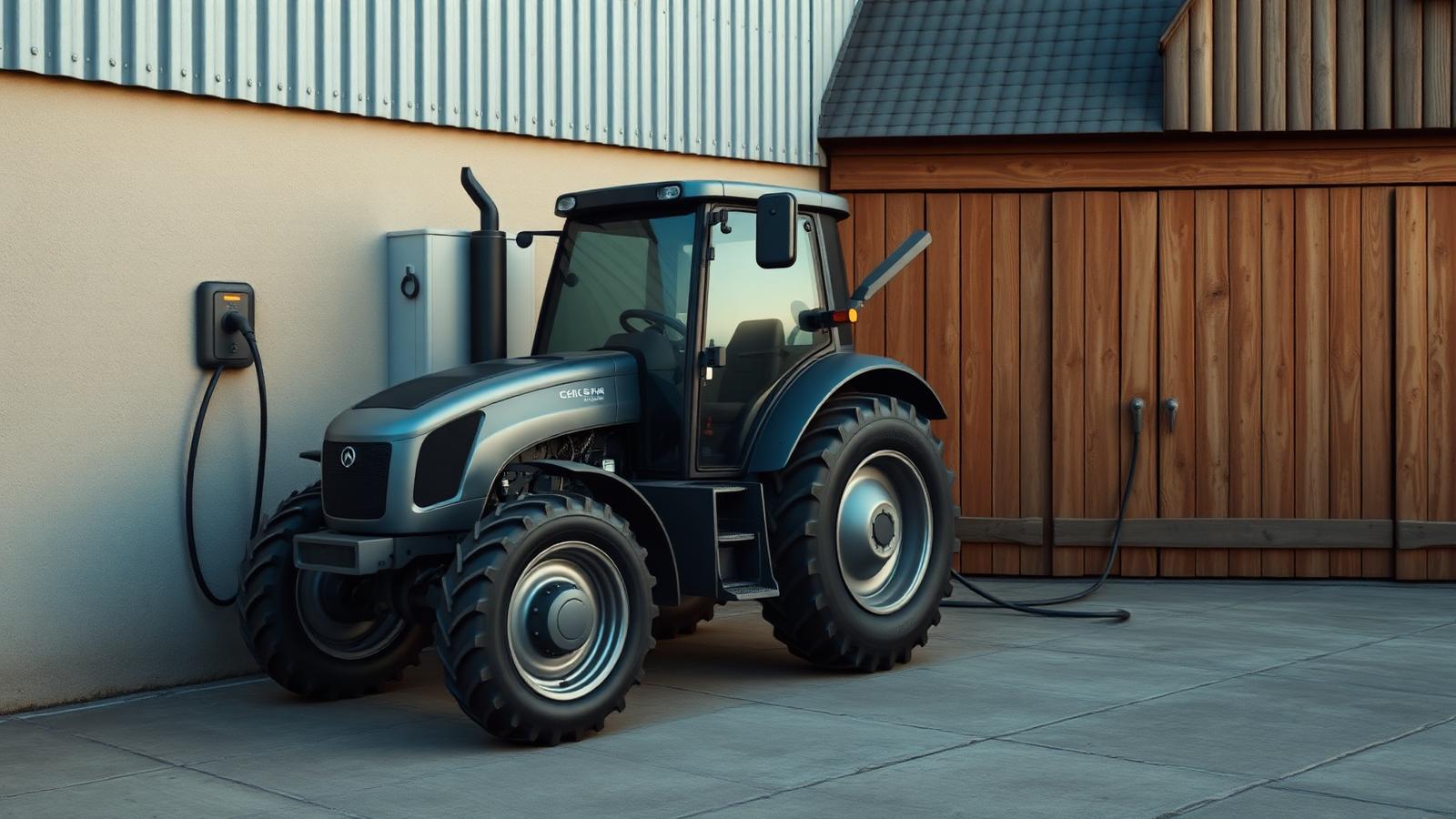
An electric tractor uses electrical energy for propulsion instead of relying solely on a diesel engine. Here is what that means in practical terms.
Read guide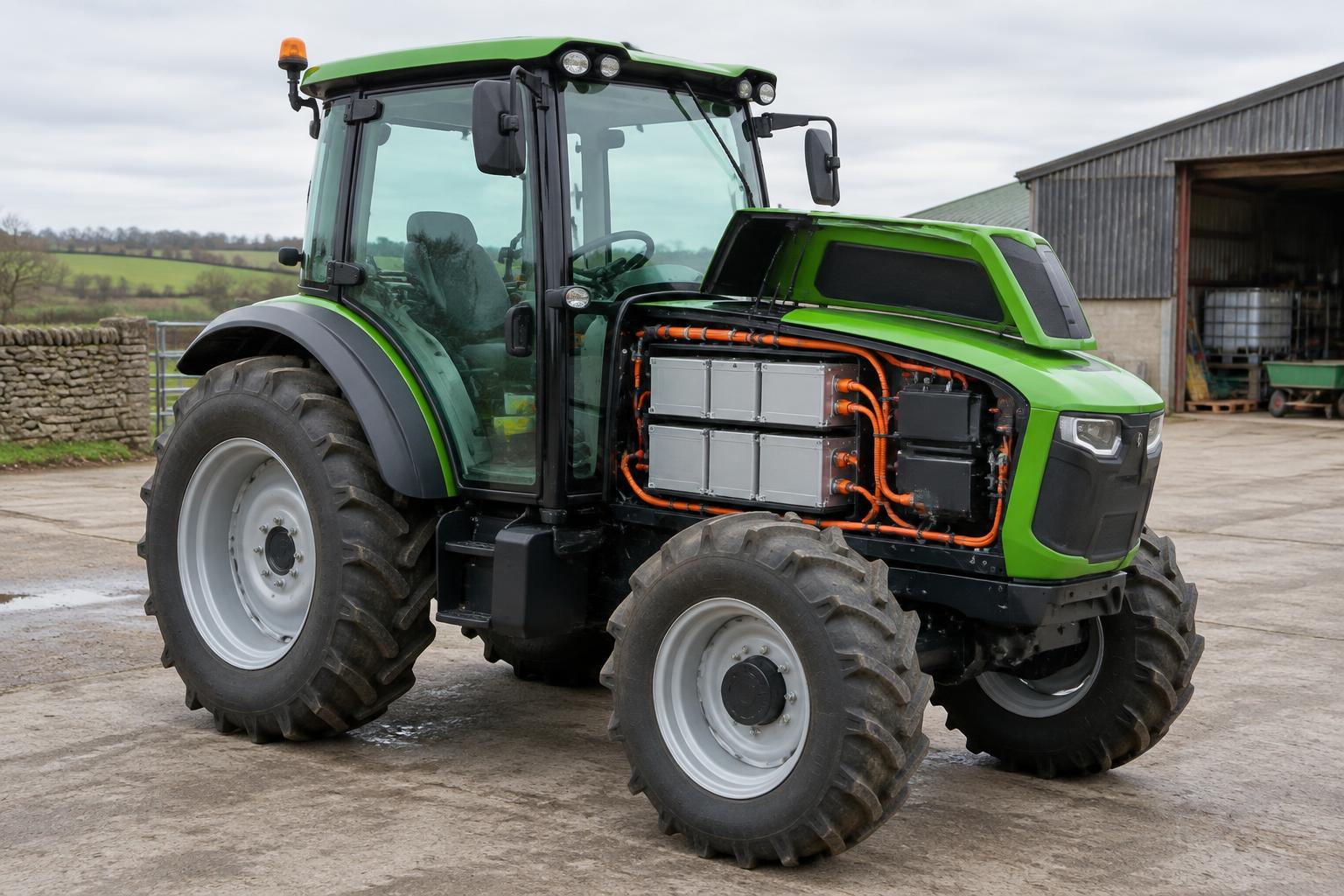
Electric tractors turn stored electrical energy into controlled mechanical power. This guide follows that energy from the charger to the wheels and implements.
Read guideWhich electric tractors you can buy in the UK, how they compare with diesel and whether one suits your work.
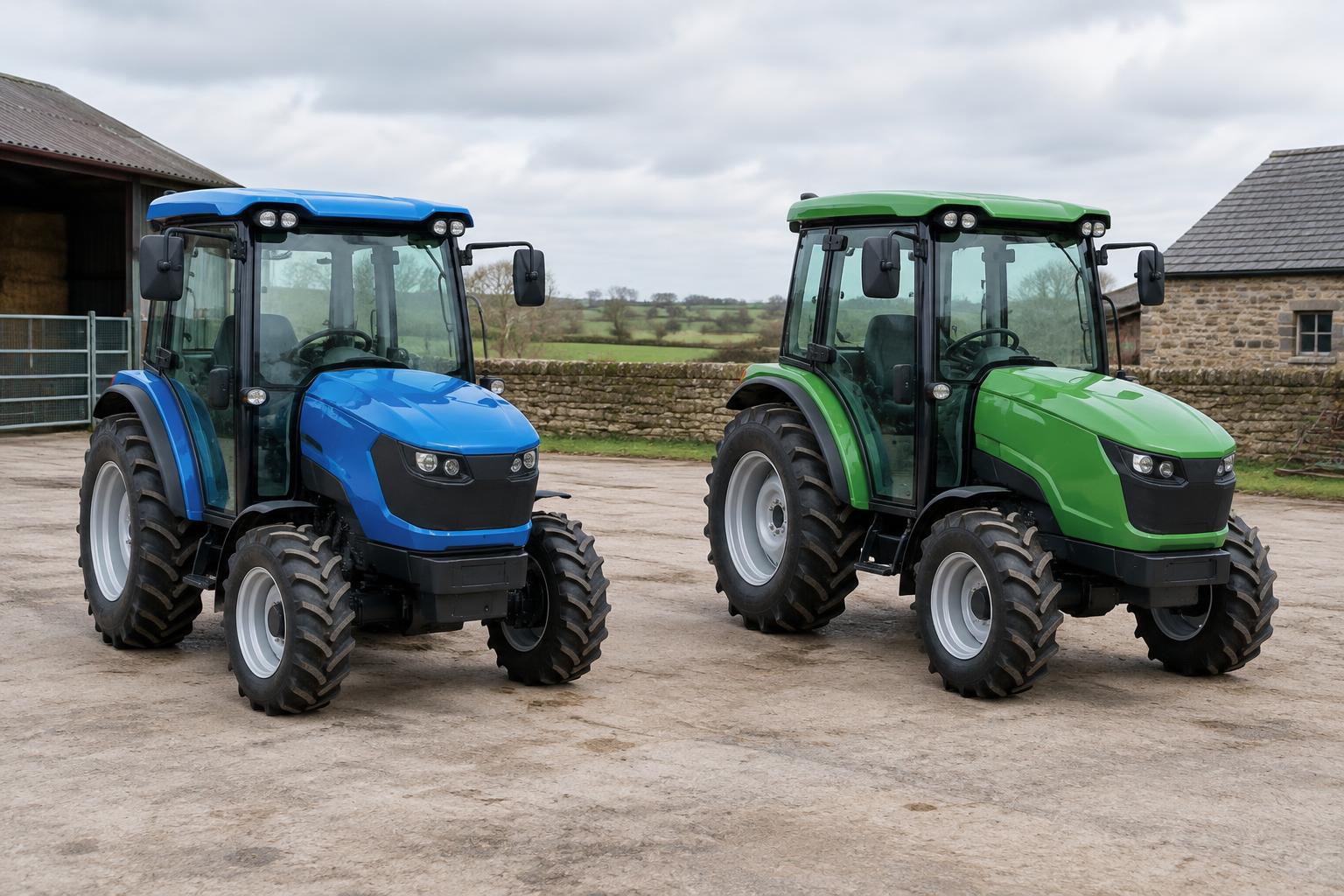
Electric tractors have genuine strengths, but they also bring limitations that matter in agriculture. Here is the balanced case for and against.
Read guide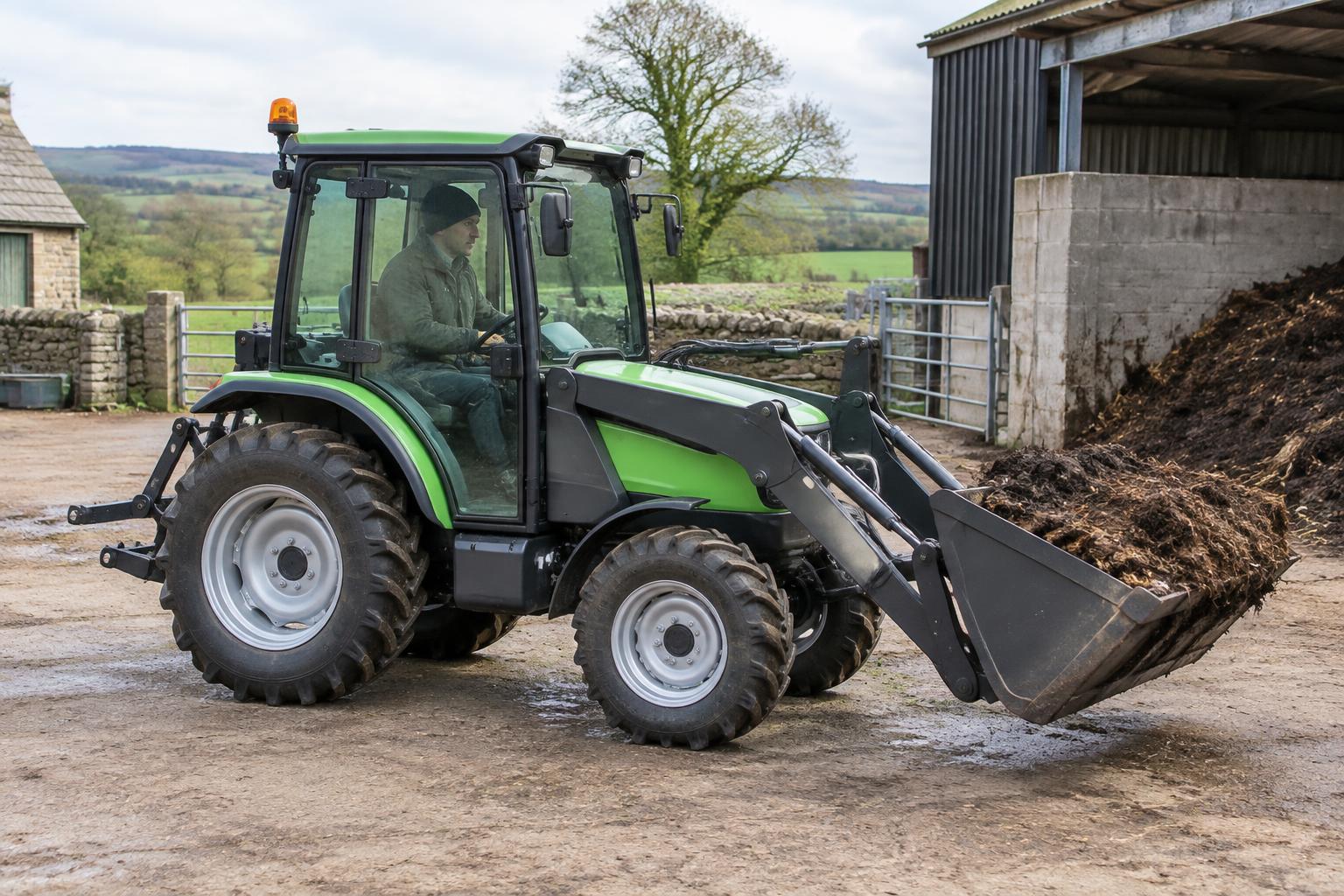
Electric tractors are practical in some UK duties today, but they are not yet a universal substitute for diesel. The work pattern decides.
Read guide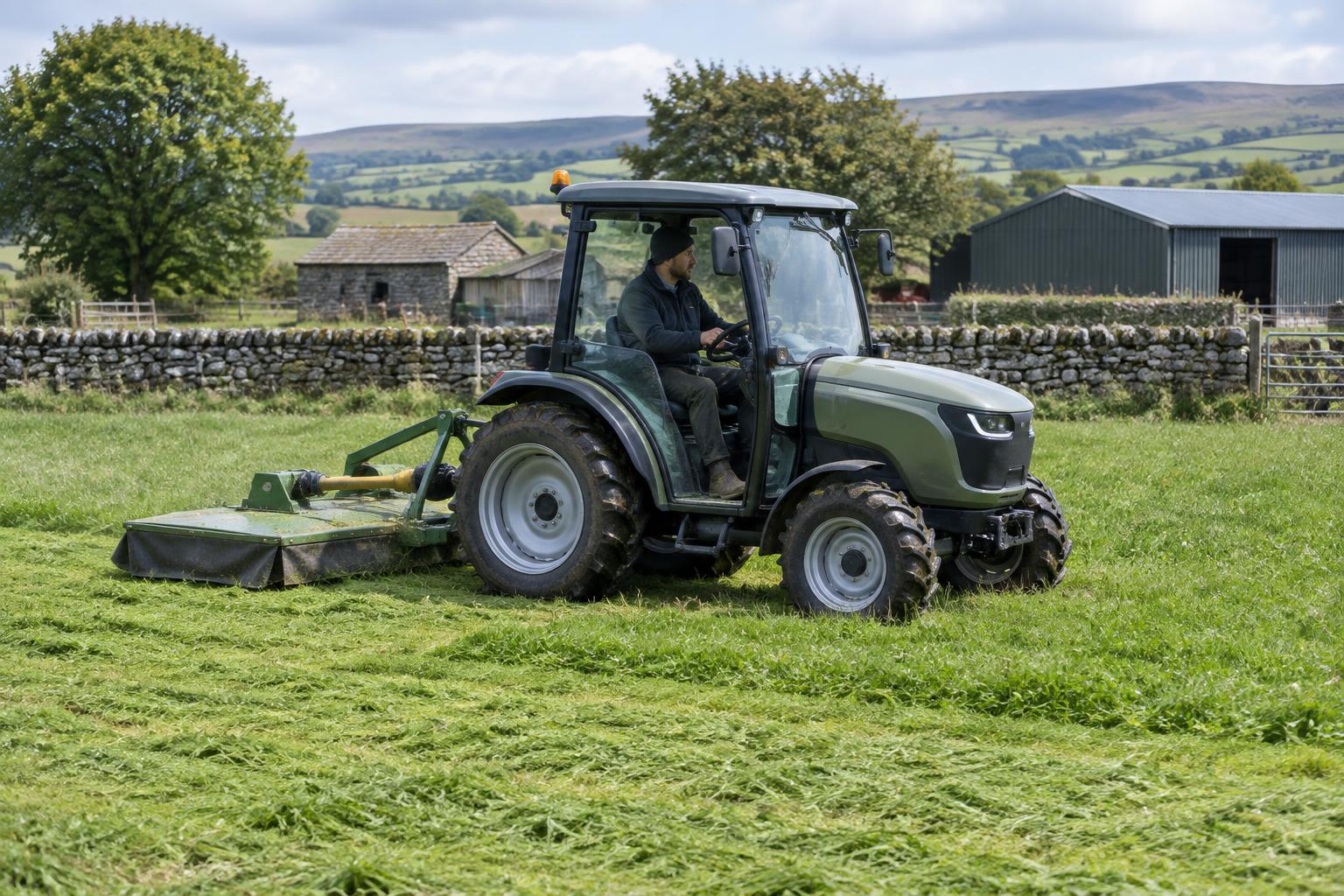
Electric tractors work best where energy demand is manageable, charging is easy and the benefits of quiet, exhaust-free operation have real value.
Read guideWhat an electric tractor costs to buy, run, service and eventually replace in the UK.
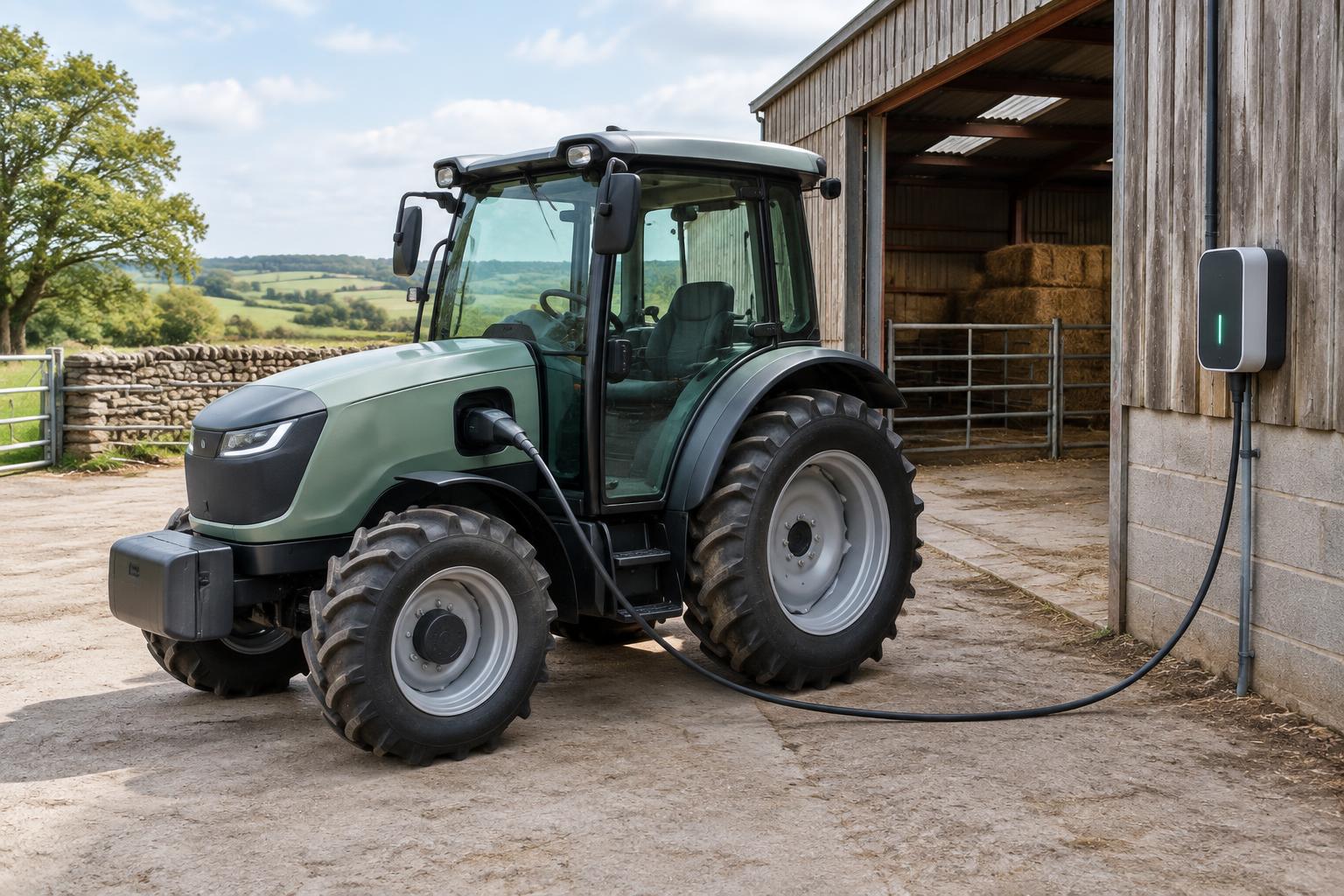
Electric tractors can have lower operating costs in the right duty, but a credible calculation needs more than multiplying battery size by an electricity tariff.
Read guide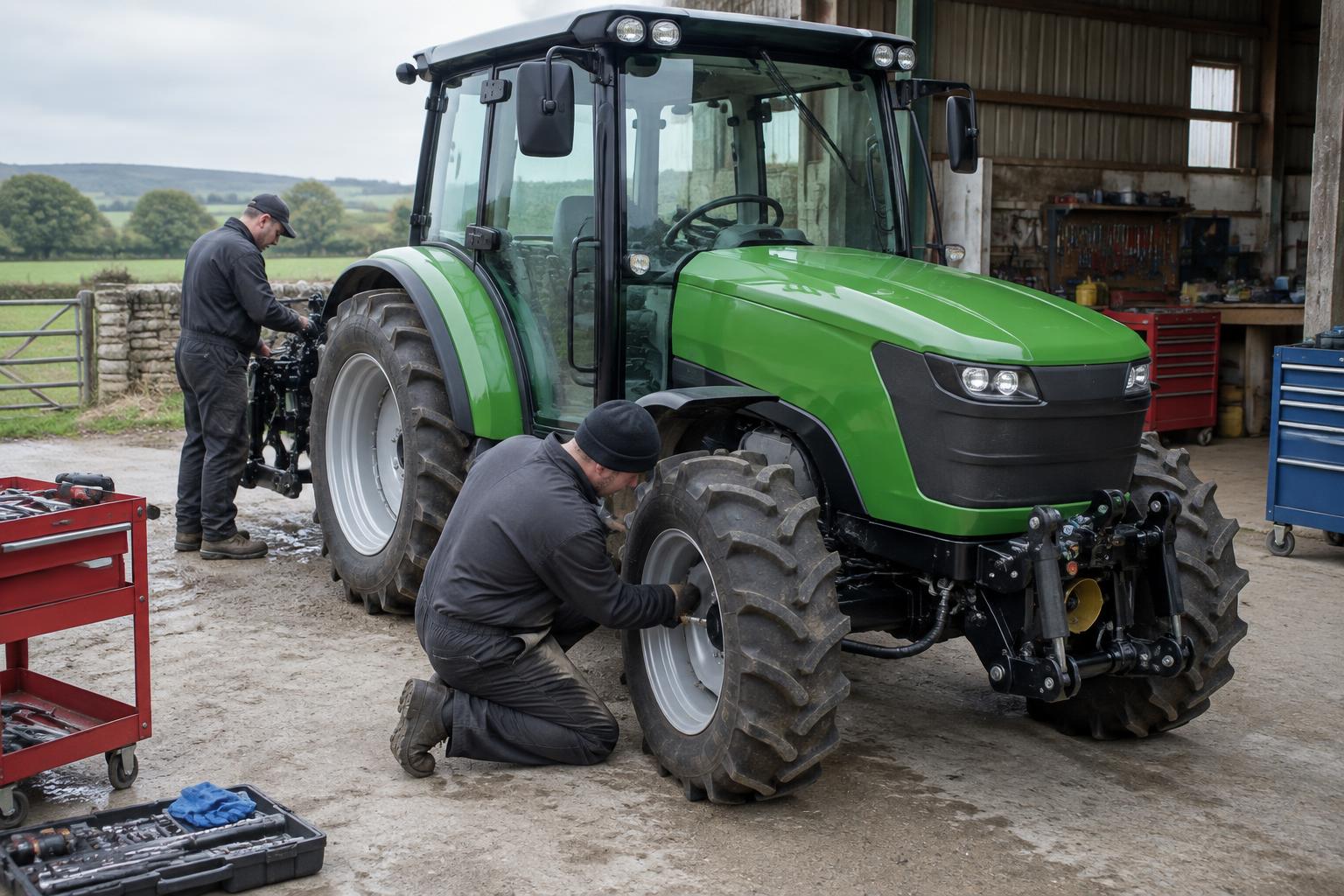
Electric tractors can remove several diesel-engine service items, but they are still hard-working agricultural machines that need planned maintenance.
Read guide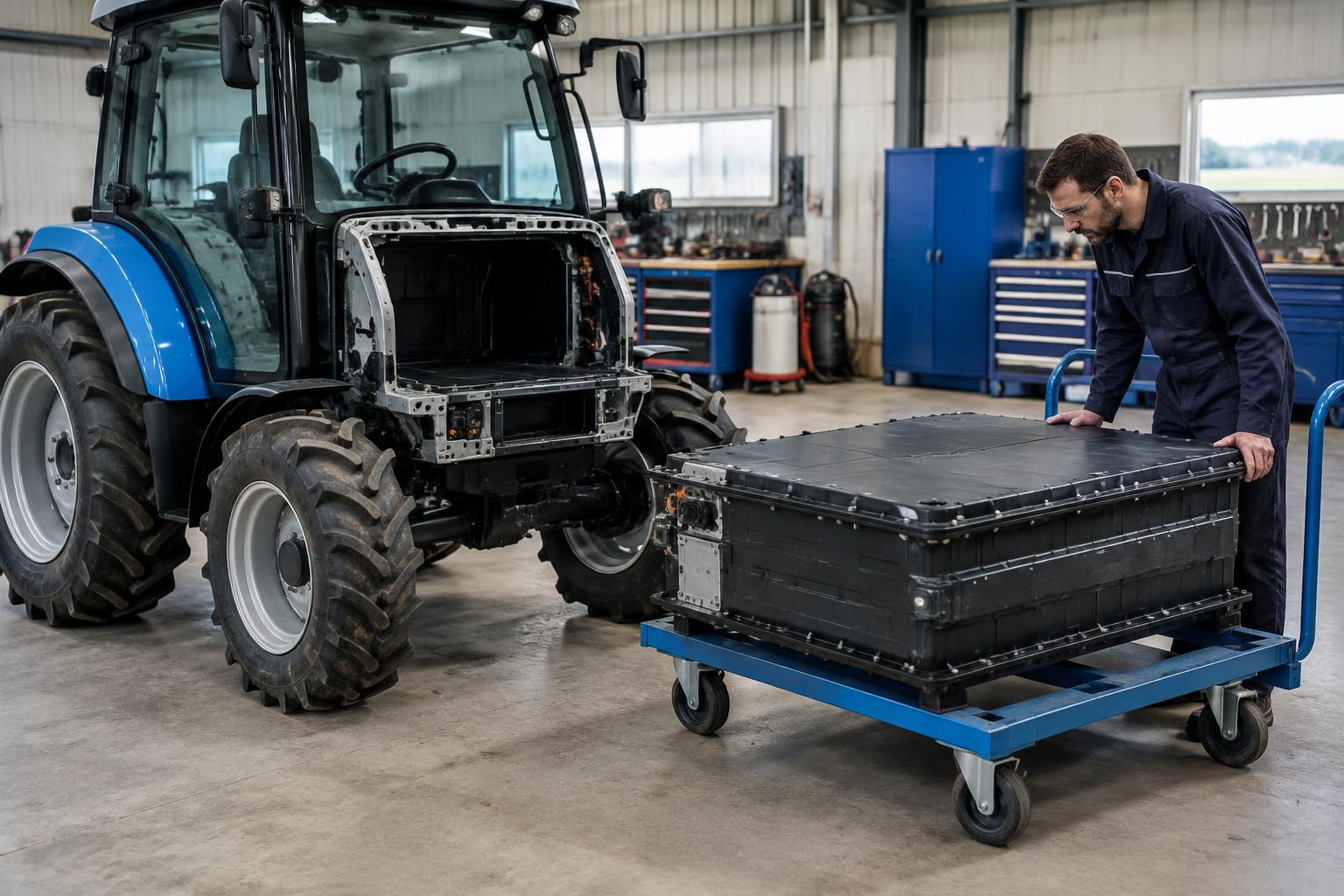
Battery degradation is gradual. The financial question is whether an ageing battery still provides enough usable energy for the tractor's job.
Read guideHow electric tractor batteries age, how long they run, and how charging works on a UK farm.
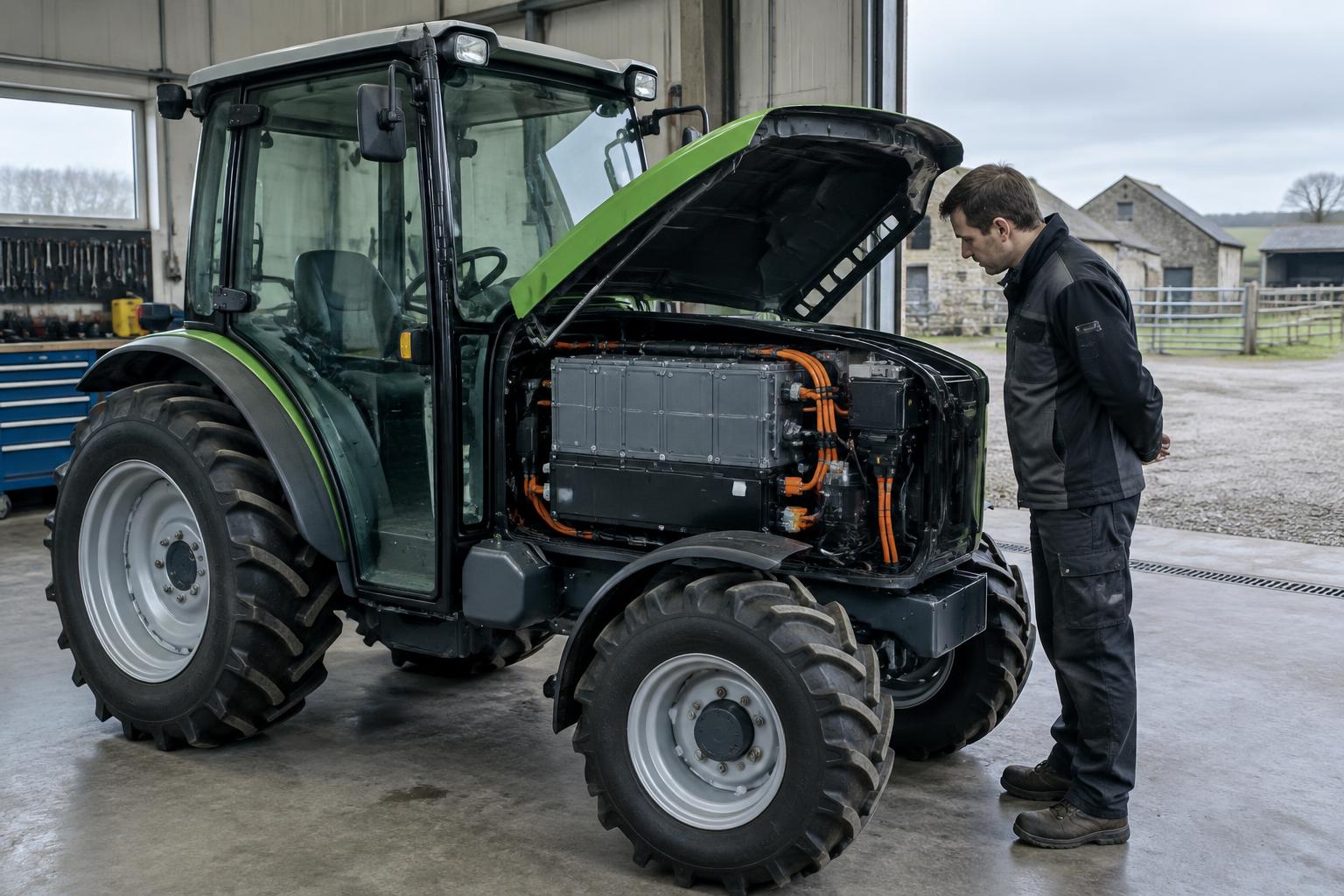
Electric tractor batteries do not suddenly expire after a fixed number of years. Capacity normally changes gradually, with lifespan affected by use, temperature and charging.
Read guide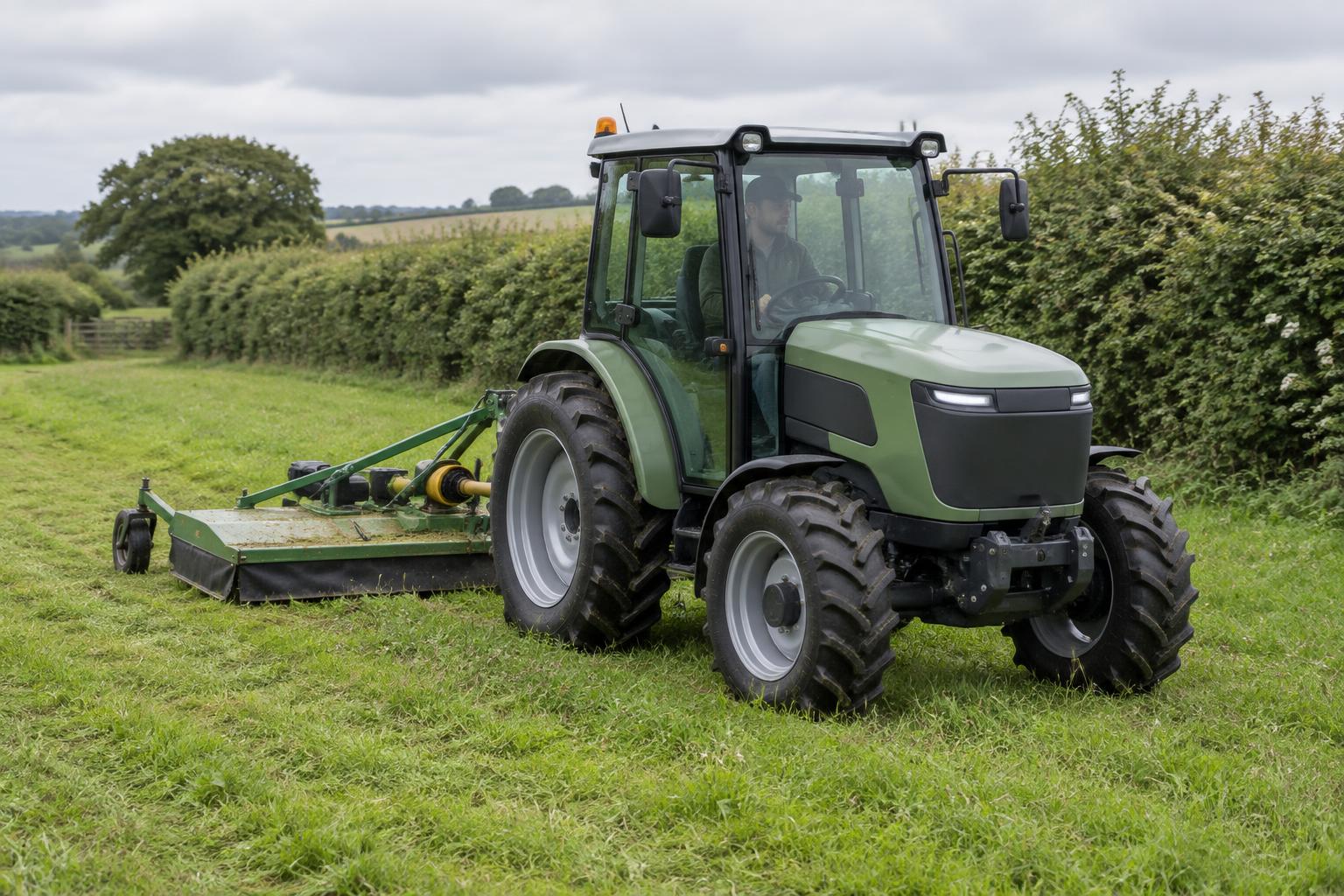
There is no single electric tractor runtime. The same machine may work for very different lengths of time depending on what it is actually asked to do.
Read guide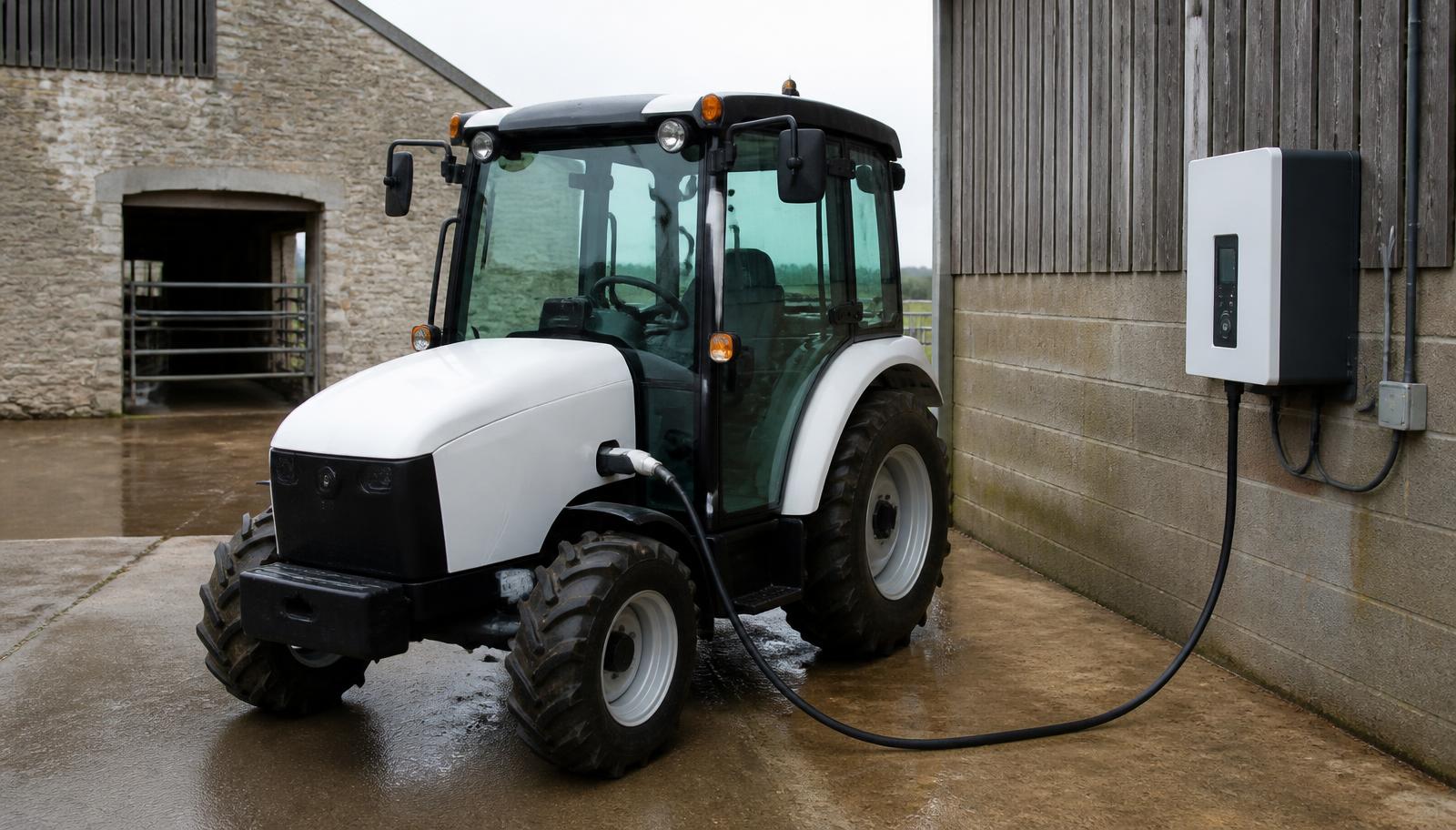
Charging an electric tractor is not just about the plug. The tractor, charger, farm electrical supply and working schedule all need to fit together.
Read guideWhich jobs suit an electric tractor, from PTO work and towing to orchards, estates and groundcare.
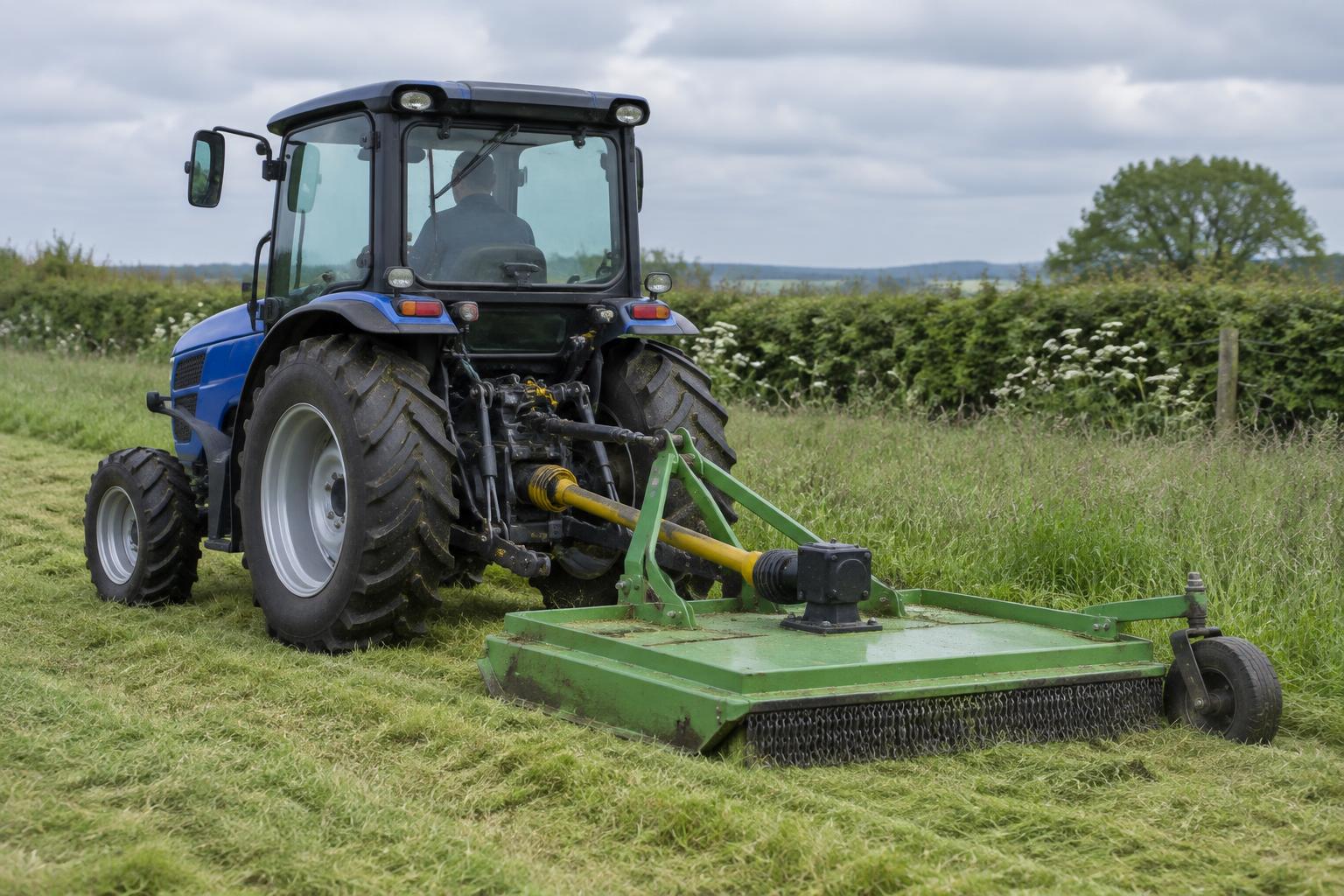
Many electric tractors can use familiar agricultural implements, but physical connection is only part of the compatibility question.
Read guide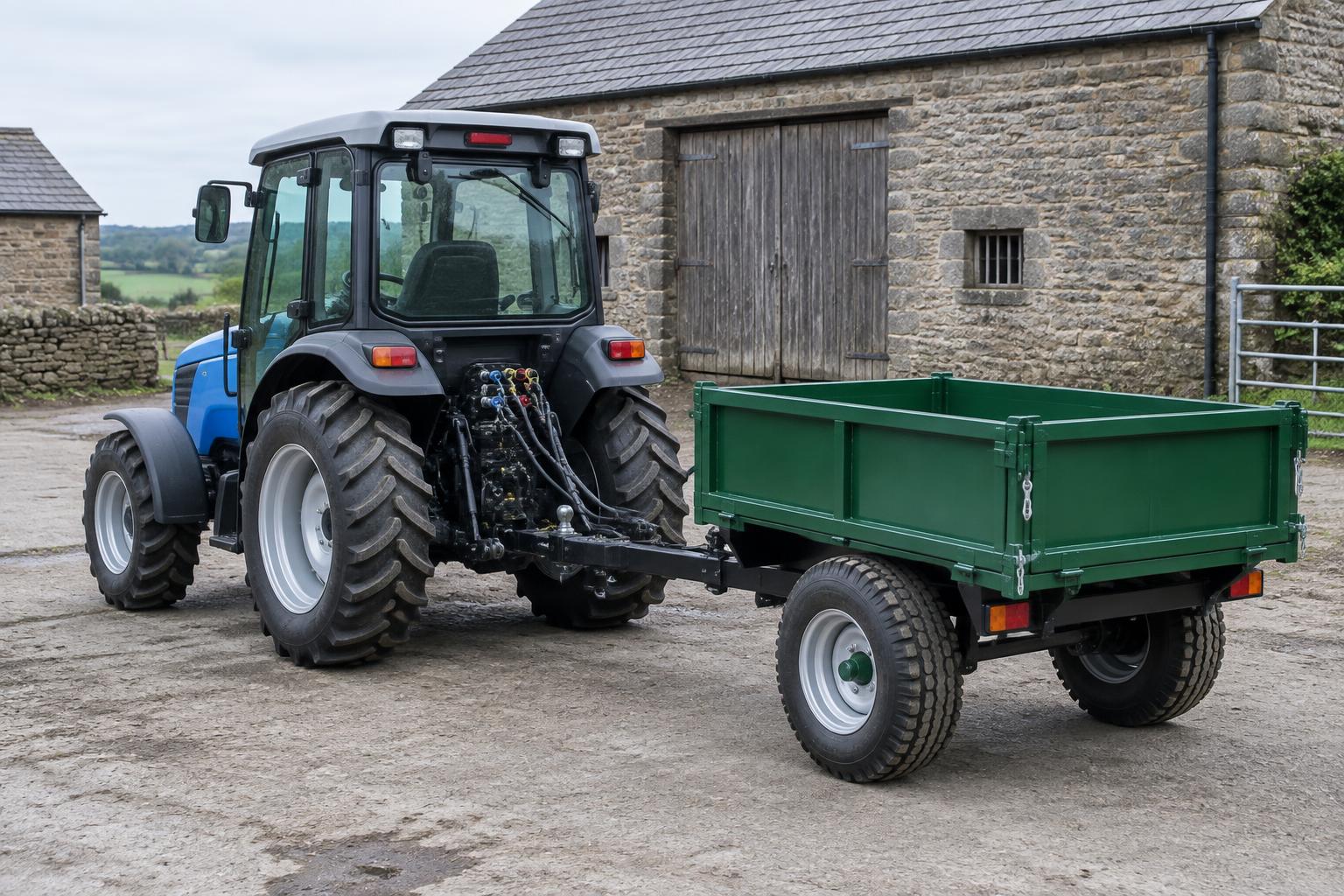
Electric motors can provide strong low-speed torque, but towing and hydraulic suitability depends on the complete tractor, not the motor alone.
Read guide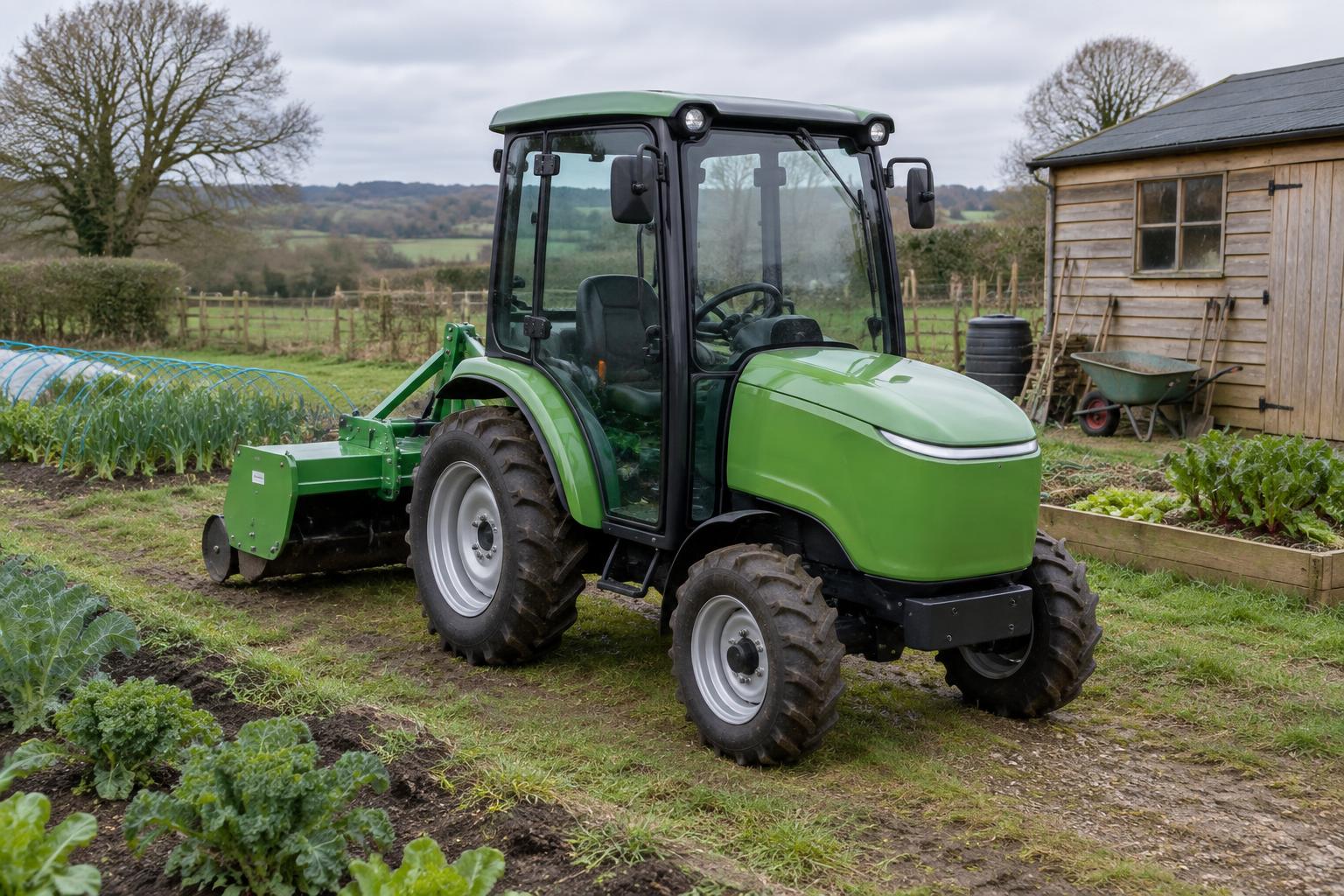
Smallholdings can be a natural fit for compact electric tractors because work is often varied, local and close to a regular parking and charging point.
Read guideEvery article is written for people making a real decision about a real machine, on a real UK farm.
More about our approachTell us what you are trying to work out and we will look at covering it, or point you to the article that comes closest.